
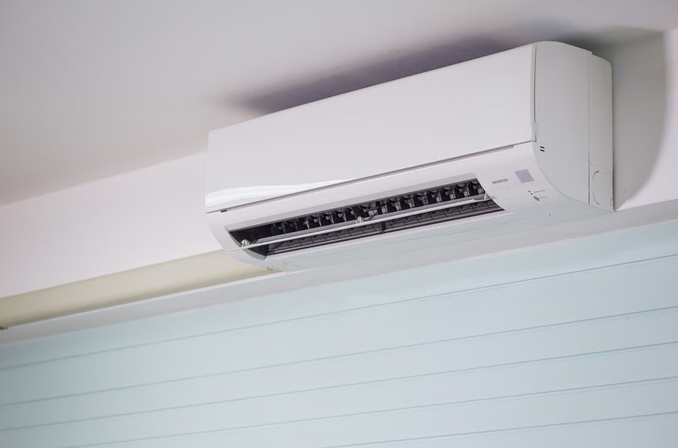
How HVAC Zoning Helps Different Rooms Maintain Comfortable Temperatures
Keeping every room at a comfortable temperature can be difficult, especially in homes with multiple floors, large windows, or rooms that receive different amounts of sunlight. A single thermostat may struggle to meet everyone’s needs because it measures conditions in only one location. HVAC zoning offers a practical solution by dividing a home into separate temperature-controlled areas. Each zone can receive heating or cooling based on its specific needs. This setup can improve comfort, reduce unnecessary conditioning, and give homeowners greater control over their indoor environment.
Understanding How HVAC Zoning Works
An HVAC zoning system divides a home into areas that can be controlled independently. These zones may include bedrooms, living spaces, upstairs rooms, or sections that receive strong afternoon sunlight. Each area typically has its own thermostat or temperature sensor, allowing the system to respond to local conditions rather than relying on one reading for the entire house. Motorized dampers installed within the ductwork regulate airflow to different zones. When a thermostat calls for heating or cooling, the zoning controls adjust the dampers to direct conditioned air where it is needed. Depending on the equipment, the system may also adjust its operation to match demand. Not every home uses the same design. Some zoning arrangements work with central ducted systems, while others use multiple indoor units or separate equipment. A qualified HVAC professional can determine which approach suits the home’s layout and existing installation.
Reducing Temperature Differences Between Rooms
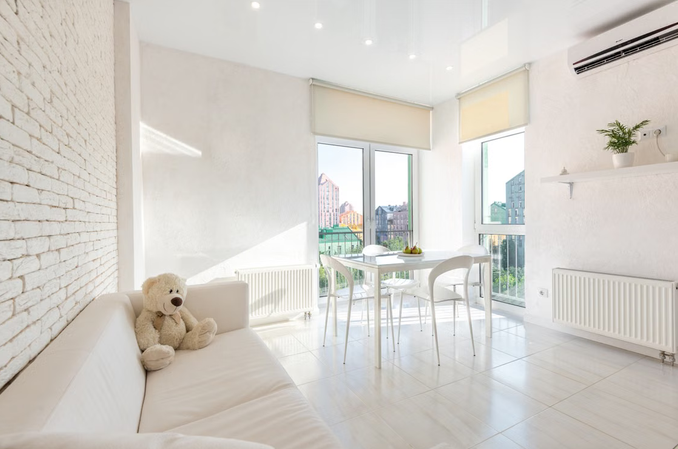
Uneven temperatures are a common source of discomfort. Upstairs bedrooms may become warmer than downstairs living areas, while rooms with large windows can heat up quickly during sunny afternoons. Other spaces may remain cool because they receive less sunlight or have limited airflow. Zoning helps address these differences by allowing each area to respond to its own temperature needs. For example, a sunny living room may require more cooling in the afternoon, while shaded bedrooms may need less. Instead of conditioning every room in the same way, the system can direct airflow toward the areas that need it. However, zoning does not automatically correct every temperature problem. Poor insulation, leaking ducts, blocked vents, or incorrectly sized equipment can still affect performance. Addressing these issues alongside zoning helps create more consistent indoor comfort.
Improving Control Over Daily Comfort
Households rarely use every room in the same way throughout the day. Family members may spend mornings in the kitchen, afternoons in a home office, and evenings in shared living spaces. Bedrooms may need different temperatures at night than they do during the day. HVAC zoning allows homeowners to adjust settings according to these routines. A home office can remain comfortable during working hours without requiring the same temperature setting in unused guest rooms. At night, bedrooms can receive the conditioning they need while other areas follow a different schedule. This flexibility can be especially useful for families with different comfort preferences. One person may prefer a cooler sleeping area, while another feels comfortable at a slightly warmer setting. Separate zones make it easier to manage these differences without constantly changing the main thermostat.
Managing Energy Use More Effectively
Zoning may help reduce energy use when it prevents unnecessary heating or cooling in areas that do not need it. Instead of maintaining identical conditions throughout the home, the system can focus on occupied rooms or areas with greater temperature demands. For instance, homeowners may lower heating or cooling demand in an unused guest room while keeping the main living areas comfortable. Programmable controls can support these adjustments automatically, reducing the need for repeated manual changes. Actual savings depend on the home’s insulation, local climate, equipment efficiency, zoning design, and household habits. Zoning alone does not guarantee lower bills. Poorly designed systems may create airflow problems or cause equipment to operate inefficiently. Professional design and proper commissioning are important for achieving useful results without compromising performance.
Choosing the Right Zoning Setup
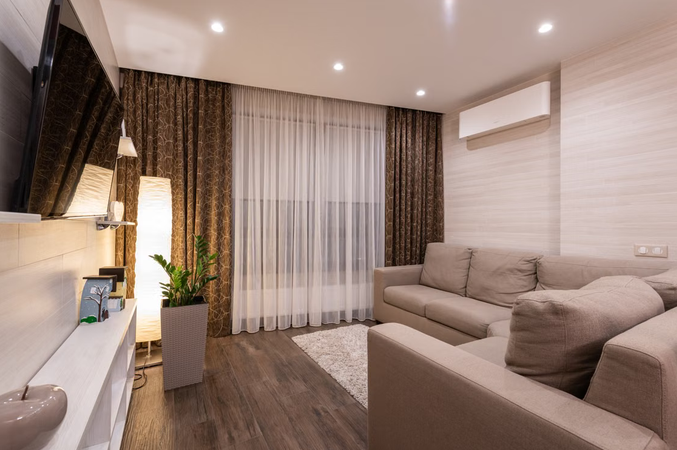
The best zoning arrangement depends on the home’s size, layout, existing HVAC equipment, and comfort concerns. A two-story house with noticeably different upstairs and downstairs temperatures may benefit from separate floor zones. A home with a frequently used office or a sun-exposed extension may need a different arrangement. An HVAC professional should evaluate ductwork, equipment capacity, insulation, and airflow before recommending changes. The number of zones matters, but adding more zones is not always better. Each zone needs enough airflow, and the equipment must be able to operate safely when only part of the home calls for conditioning. Homeowners should also consider thermostat placement, control compatibility, installation costs, and future maintenance. A well-planned system should balance comfort, equipment requirements, and the practical needs of the household.
Maintaining Reliable Zoning Performance
Regular maintenance helps a zoning system continue working as intended. Thermostats and sensors should be checked for accurate readings, while dampers and controls need inspection to confirm they respond properly. Filters should be replaced or cleaned according to the manufacturer’s recommendations, and ductwork should be checked for leaks or restrictions. Homeowners should pay attention to recurring hot or cold spots, unusual noises, and changes in system performance. These signs may indicate a control issue, airflow restriction, or another HVAC problem. Prompt attention can prevent minor faults from becoming more disruptive. It is also helpful to review temperature schedules as household routines change. Adjusting settings for seasonal weather, working arrangements, or changing room use can keep the system aligned with actual needs.
HVAC zoning helps different rooms maintain comfortable temperatures by allowing heating and cooling to respond to the needs of separate areas. It can improve temperature control, support more flexible household routines, and reduce unnecessary conditioning when designed correctly. With suitable equipment, professional installation, and regular maintenance, zoning can make a home’s indoor environment more comfortable and manageable.…