

At first glance, a fire-damaged property may look like nothing more than a costly liability. Charred walls, smoke-stained ceilings, and lingering odors can discourage most traditional buyers. Yet, for savvy real estate investors, these very challenges represent opportunity. Buying a house that has suffered fire damage can often lead to substantial profits if approached strategically. Simple process to sell fire damaged home connects perfectly with buyers who see value where others see obstacles. Understanding why investors pursue these types of properties reveals both financial logic and long-term vision.
Lower Purchase Prices Create Opportunity
One of the main reasons investors are drawn to fire-damaged homes is the reduced purchase price. Because traditional buyers tend to shy away from damaged properties, sellers often list them below market value to attract attention. Investors understand that while the home may look unappealing on the surface, the underlying structure can still hold value. By acquiring the property at a discount, they create immediate potential for profit once repairs or renovations are completed. Essentially, lower upfront costs open the door for higher returns.
Strong Demand from the House Flipping Market
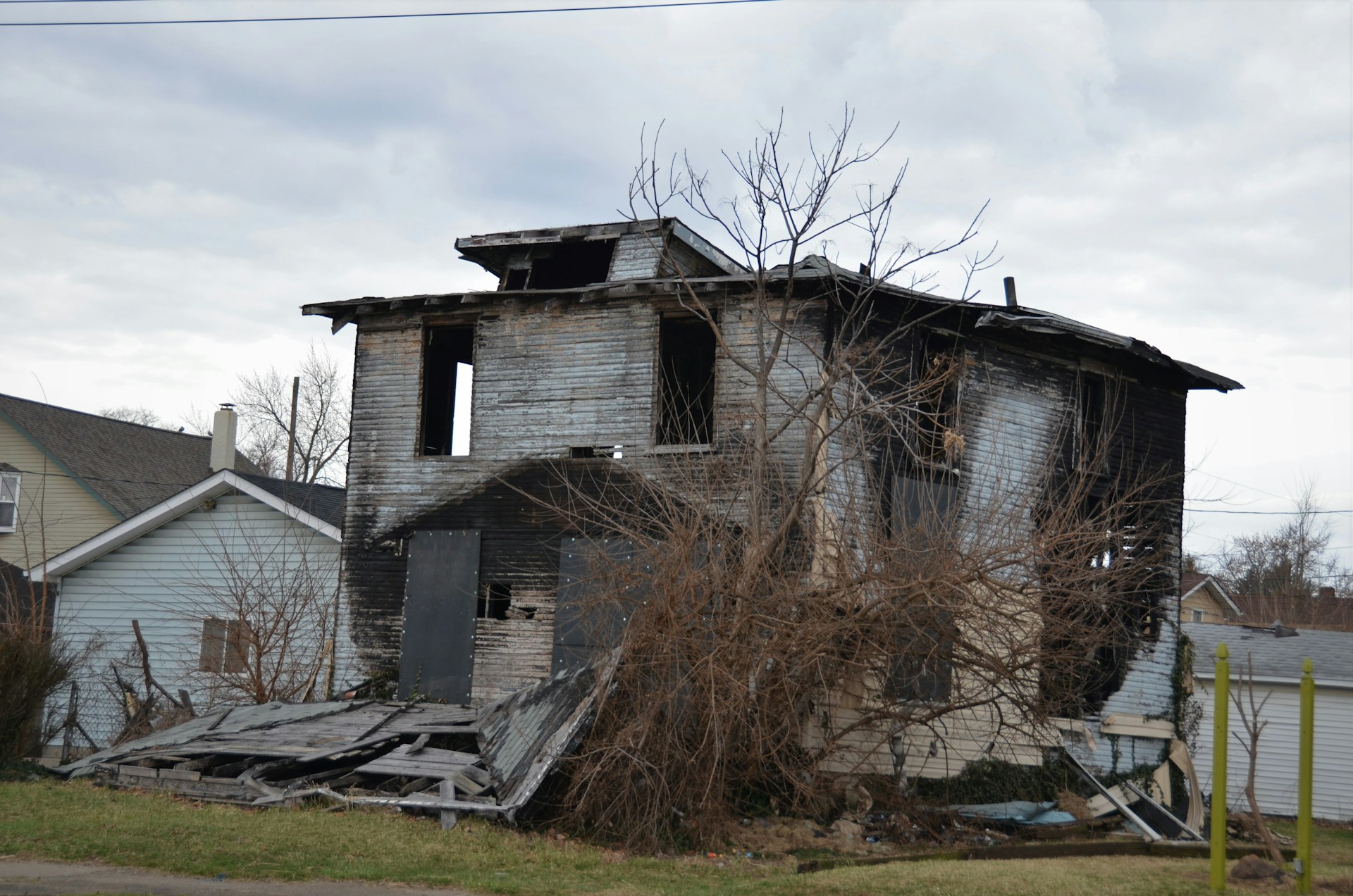
The house flipping industry thrives on buying undervalued properties, improving them, and selling for a profit. Fire-damaged homes fit perfectly into this model. Renovating after fire damage may require effort, but investors see this as part of the business. Skilled contractors know how to restore structural integrity and bring a home back to life, often within a short time-frame. Because buyers in today’s real estate market continue to seek affordable yet modernized homes, investors who flip fire-damaged properties can appeal to this demand and achieve strong resale prices.
Insurance and Financing Advantages
Another reason investors find fire-damaged properties appealing is that many already come with insurance settlements. Homeowners who have received payouts may be more willing to sell quickly, making negotiations smoother. In some cases, the funds from insurance help cover partial repairs, meaning the buyer doesn’t start from zero. Additionally, certain lenders and private funding groups specialize in financing distressed properties, providing investors with tools to take advantage of these opportunities. The combination of motivated sellers and alternative financing makes fire-damaged homes an attractive option in the investment landscape.
Potential for Rental Income
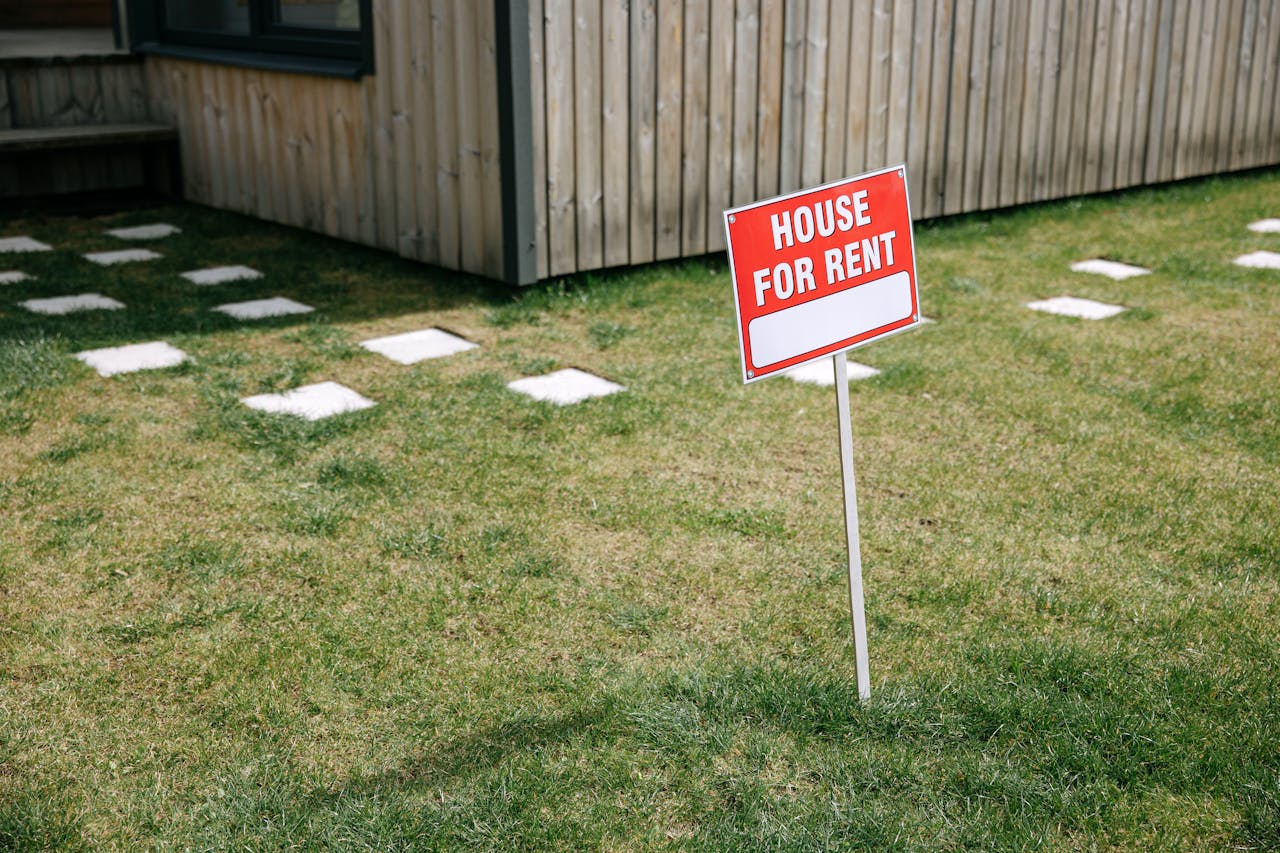
While many investors focus on resale, others view fire-damaged homes as opportunities to create rental properties. Once restored, these homes can be rented out for a steady monthly income, particularly in markets where housing demand is high. The relatively low purchase price compared to post-repair rental value makes the return on investment appealing. Some investors even use the property for short-term rentals, further maximizing income. This approach allows them to benefit not just from initial savings but from ongoing financial returns long after the restoration is complete.
Market Growth and Limited Competition
Finally, one overlooked reason smart investors buy fire-damaged homes is the limited competition in this segment of the market. Many buyers hesitate due to concerns about restoration costs or fear of hidden issues. This hesitation leaves more opportunities for determined investors to secure deals. As housing markets grow tighter in many regions, the ability to purchase properties at discounted rates becomes increasingly valuable. Investors who step into this niche market often enjoy less competition, stronger negotiation power, and better chances of building long-term wealth.
Fire-damaged homes may seem like a burden to average buyers, but investors recognize them as hidden opportunities. Lower purchase prices, strong potential for flipping, advantages from insurance and financing, opportunities for rental income, and reduced competition all make these properties attractive. While buying a burned home requires careful planning and investment, the payoff can be significant. By identifying value where others see loss, smart investors are turning fire-damaged houses into profitable ventures that strengthen their real estate portfolios.