
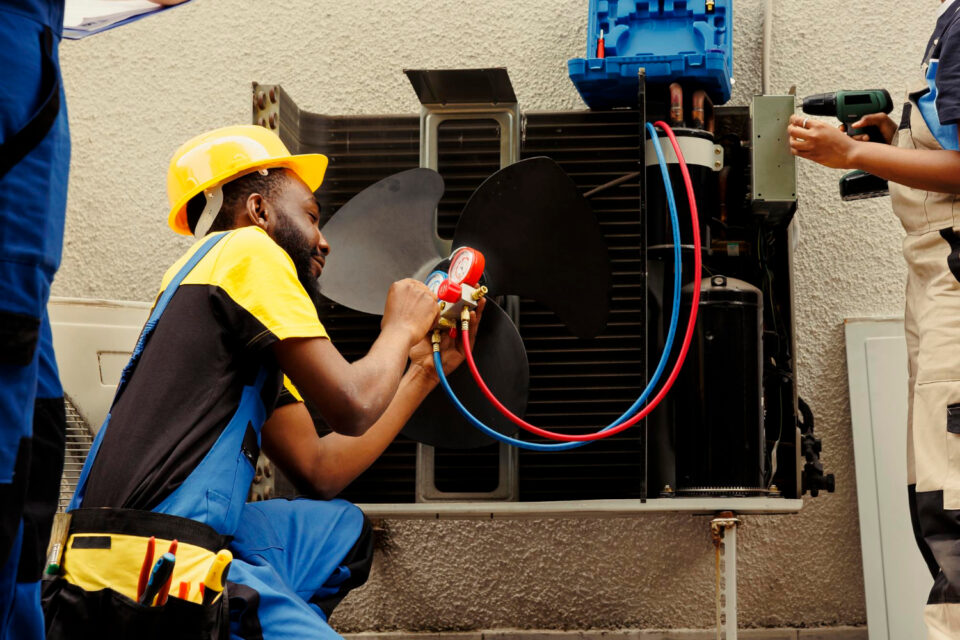
A warm home is essential for comfort, especially during colder months. Yet, even well-maintained heating systems can encounter problems over time. Homeowners often face issues like uneven heating, strange noises, or rising energy bills. Addressing these problems promptly not only ensures comfort but also prevents costly repairs. Their professional technicians can diagnose and fix heating issues effectively, keeping your system running safely and efficiently. Understanding common problems helps homeowners act quickly and avoid long-term damage.
Uneven Heating Across Rooms
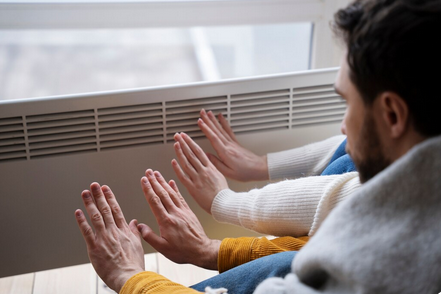
One of the most common heating problems is uneven temperature distribution. Some rooms may feel warm, while others remain cold. This often occurs due to blocked vents, improperly sized systems, or poorly balanced ductwork. Professionals start by inspecting airflow and duct design. They may clean ducts, adjust vents, or recommend rebalancing the system. Properly addressing uneven heating ensures that every room maintains a comfortable temperature, creating a more consistent home environment.
Furnace Not Turning On
A furnace that won’t start is a frequent and frustrating issue. Causes can range from a tripped circuit breaker to a malfunctioning thermostat or ignition problem. HVAC technicians diagnose the root cause quickly. They check electrical connections, reset safety switches, and inspect ignition components. By performing targeted repairs, professionals ensure your furnace operates reliably and safely, restoring warmth to your home.
Strange Noises
Rattling, banging, or squealing noises coming from a heating system indicate underlying problems. Loose components, worn belts, or motor issues are common culprits. Technicians examine the system to identify the source. Tightening loose parts, replacing worn belts, or lubricating motors often resolves the noise. Fixing these issues prevents further damage and improves system efficiency, making your home quieter and more comfortable.
Pilot or Ignition Problems
Gas furnaces rely on pilot lights or electronic ignition systems. If the pilot won’t stay lit or the ignition fails, the furnace can’t heat your home. Technicians inspect gas lines, clean burners, and ensure proper ignition function. They also check safety features to prevent hazards. Fixing pilot and ignition issues restores consistent heat and maintains safe operation.
Dirty or Clogged Filters
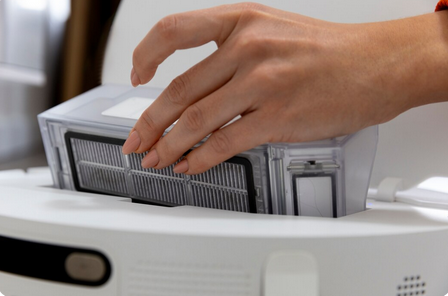
Clogged air filters restrict airflow, reducing efficiency and performance. Dirty filters can also circulate dust and allergens throughout the home. HVAC professionals replace or clean filters regularly, ensuring optimal airflow. Proper filtration extends the system’s lifespan, improves indoor air quality, and keeps heating consistent. This simple step can prevent larger problems from developing.
Pilot or Thermostat Malfunctions
Heating problems often originate from thermostat issues. If the thermostat is faulty, it may misread temperatures or fail to signal the furnace properly. Professionals test the thermostat and recalibrate or replace it as needed. A functional thermostat ensures accurate temperature control and consistent heating throughout the home. Modern smart thermostats can also provide energy-saving features that older models lack.
System Aging and Component Wear
Even with proper maintenance, heating systems eventually wear out. Motors, belts, and heat exchangers degrade over time. Professionals assess system age and component condition. In some cases, repairs are sufficient. In others, replacement is the most cost-effective solution. Ensuring your system is up-to-date prevents sudden breakdowns and maintains reliable heat for your home.
Home heating problems are common but manageable with the right approach. Uneven heating, ignition issues, strange noises, rising energy bills, clogged filters, and aging systems are signals that professional attention is needed. By addressing these issues promptly, homeowners maintain comfort, improve efficiency, and extend the lifespan of their heating system. Professional technicians provide the expertise and tools to diagnose and fix problems effectively, ensuring your home remains warm, safe, and energy-efficient throughout the year.